Arthritis Treatment in London
What Is Arthritis?
‘Arthritis’ literally means inflammation of the joints. It refers to disorders that affect the joints, causing pain, stiffness and swelling. Other symptoms may include redness, warmth and decreased range of motion of the affected joints. It can affect one or multiple joints. The most common types are osteoarthritis (OA) and rheumatoid arthritis (RA).
Arthritis is most commonly seen in adults over the age of 65 but can also develop in younger adults and children. Cartilage is a type of connective tissue which covers and protects the ends of long bones at the joints. It absorbs pressure and shock created when you move. A reduction in the normal amount of cartilage tissue can cause some forms of arthritis.
Our London Clinic
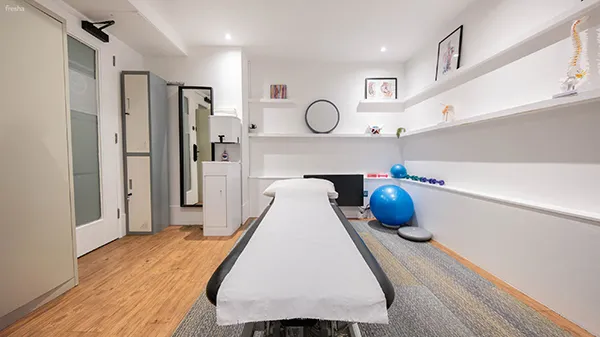
Our clinic is conveniently situated just off of Tottenham Court Road, in between Tottenham Court Road and Goodge Street tube stations.


What Are the Main Types of Arthritis?
Osteoarthritis is a degenerative form of arthritis which usually occurs with age. It is often referred to as ‘wear and tear’ and is diagnosed with an X-ray. There is no cure for osteoarthritis, but symptoms can be managed effectively with lifestyle changes, physiotherapy, nonsteroidal anti-inflammatory drugs (NSAIDs), and in severe cases, surgery.
Rheumatoid arthritis is an autoimmune disorder which leads to the destruction of the bone and cartilage inside the joint. Rheumatoid arthritis is usually diagnosed with a blood test. There is no cure, but symptoms can be managed with disease-modifying anti-rheumatic drugs (DMARDs), biological treatments, NSAIDs, steroids and physiotherapy.

Why Choose PhysioReform in London?
At PhysioReform we help you keep moving well with arthritis. Assessment looks at joint mobility, muscle strength and the activities that matter to you, then we build a programme that maintains function rather than simply managing discomfort.
The evidence for exercise in both osteoarthritis and inflammatory arthritis is strong, and the skill is in pitching it correctly. We progress at a level your joints tolerate, adjusting as your symptoms fluctuate.
How Can Physiotherapy and Lifestyle Changes Help Manage Arthritis?
Exercise and maintaining a healthy weight are the most important ways to manage arthritis. Your physiotherapist can develop an exercise programme for you to assist in weight loss and improve your muscle strength and flexibility. In addition, we can advise you regarding assistive devices and splints to protect the joint if necessary. We may also use manual therapy techniques, acupuncture and/or taping, which can give you pain relief.
Frequently Asked Questions
Can physiotherapy help arthritis?
Yes. Physiotherapy is one of the most effective ways to manage arthritis, using targeted exercise, manual therapy and education to reduce pain, improve joint mobility and maintain muscle strength. The evidence supports regular movement over rest for both osteoarthritis and rheumatoid arthritis. Treatment is tailored to your specific joints, symptoms and activity goals.
Can physiotherapy cure arthritis?
No, physiotherapy cannot cure arthritis, as it’s a chronic joint condition without a cure. What it can do is significantly reduce pain, improve function and slow the impact of symptoms on daily life through targeted exercise and movement strategies. Many people find that a consistent, well-structured programme makes a real difference to how arthritis feels day to day.
Is exercise safe when my joints are already painful?
Yes, in most cases, appropriately graded exercise is safe and beneficial even when joints are painful. Movement helps maintain cartilage health, muscle strength and joint lubrication, whereas prolonged rest can increase stiffness. Your physiotherapist will assess your joints and build a programme that respects pain levels while gradually building tolerance and confidence in movement.
Does treatment differ for osteoarthritis and rheumatoid arthritis?
Treatment does differ. Osteoarthritis, a wear-related joint condition, usually responds well to strengthening and load management around the affected joint. Rheumatoid arthritis, an autoimmune inflammatory condition, needs treatment that accounts for flare-ups, joint protection and coordination with your rheumatology team. Both benefit from physiotherapy, but the exercise intensity, pacing and precautions used differ considerably between the two.
How many sessions will I need for arthritis?
This depends on which joints are affected and how long you’ve been experiencing symptoms, but many people start with four to six sessions to establish an exercise programme and manage pain at our Bloomsbury clinic. Ongoing review sessions every few months often help adjust the plan as strength improves or symptoms change, particularly for chronic or progressive arthritis.



