
Physiotherapy for Pelvic Pain in London
What is Pelvic Pain?
Pelvic pain refers to pain anywhere in the pelvis, vulva, vestibule or vagina. It can be there all the time, but often, it comes and goes. It can stop women from having sex and sometimes from using tampons.
Pelvic pain can have many different causes. In some cases it may be related to the pelvic floor muscles becoming tight, weak, or poorly coordinated. It can also be linked to nerve irritation, joint problems in the pelvis or lower back, or conditions affecting the bladder, bowel, or reproductive organs. Because several factors may contribute at the same time, a detailed assessment is important to understand what is driving your symptoms and how best to treat them.

Our London Clinic
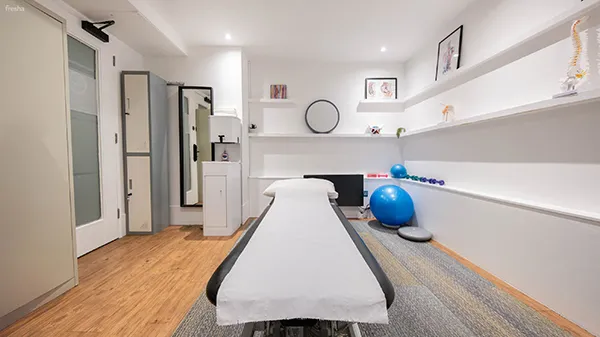
Our clinic is conveniently situated just off of Tottenham Court Road, in between Tottenham Court Road and Goodge Street tube stations.


Symptoms may include:
- Pain with penetration and/or sex (Dyspareunia, Provoked Vestibulodynia, Vaginismus)
- Pain with inserting tampons or gynaecological examinations
- Painful periods (Dysmenorrhea)
- Endometriosis
- Persistent nerve irritation
- Unexplained persistent pelvic pain following abdominal or pelvic surgery
- Painful urination, pain or discomfort when your bladder is filling. i.e. between trips to the toilet
- Persistent pelvic/vaginal pain
- Vaginal, genital or vulvar itching
With specific manual therapy techniques, special devices, exercises and lifestyle changes, you can effectively treat pelvic pain.

Why Choose PhysioReform for Pelvic Pain Physiotherapy in London?
At PhysioReform, we provide specialist pelvic health physiotherapy designed to support people experiencing pelvic pain and related symptoms. Our physiotherapists take the time to understand the full picture of your symptoms, including how pelvic pain affects your daily activities, movement, and overall wellbeing.
Pelvic pain can have several contributing factors, including muscle tension, nerve sensitivity, or changes following childbirth or surgery. Our approach focuses on careful assessment and personalised treatment to help reduce pain, restore normal pelvic floor function, and support a gradual return to comfortable movement and daily activities.
At PhysioReform, we can help you with the following pelvic pain conditions:
- Vulvodynia, Vestibulodynia
- Vaginismus
- Dyspareunia
- Painful Bladder Syndrome/Interstitial Cystitis
- Pudendal/Genitofemoral/Posterior Cutaneous Neuralgia
- Endometriosis
- Lichens Sclerosis/Lichen Planus
Frequently Asked Questions
What does pelvic pain feel like and where is it felt?
Pelvic pain can feel sharp, dull, aching or burning, and may be felt in the lower abdomen, lower back, groin, vagina, rectum or inner thighs. It can be constant or intermittent, and often changes with movement, sitting, intercourse or bladder and bowel function. The pattern and location help your physiotherapist identify likely contributing structures and causes.
What causes persistent pelvic pain?
Persistent pelvic pain often has multiple contributing factors, including pelvic floor muscle tension, nerve sensitivity, previous surgery, endometriosis, bladder or bowel conditions, and central nervous system changes that amplify pain signals. It rarely has a single cause, which is why assessment considers muscles, joints, nerves and lifestyle factors together, following Pelvic Floor Society assessment principles.
What is pelvic girdle pain?
Pelvic girdle pain refers to pain around the pelvic joints, particularly the sacroiliac joints and pubic symphysis, often triggered by pregnancy, hormonal changes or altered movement patterns. It can cause pain with walking, stairs, turning in bed or standing on one leg. Physiotherapy, including manual therapy and targeted exercise, is highly effective in managing this condition.
How does physiotherapy help pelvic pain?
Physiotherapy addresses the muscular, joint and nervous system contributors to pelvic pain through manual therapy, pelvic floor muscle retraining, relaxation techniques and graded movement. Education about pain mechanisms is central to treatment, helping reduce fear and muscle guarding. Approaches align with POGP guidance, combining hands-on treatment with a personalised, gradual exercise programme.
How long does treatment for persistent pelvic pain take?
This varies considerably, as persistent pelvic pain often involves several interacting factors, but many people notice meaningful improvement over three to six months of consistent treatment. Some experience change sooner, others need longer, particularly with long-standing symptoms. Your physiotherapist here in our Bloomsbury clinic will review progress regularly and adjust your programme accordingly.


