Breast Cancer Rehabilitation in London
Physiotherapy After Breast Cancer Treatment
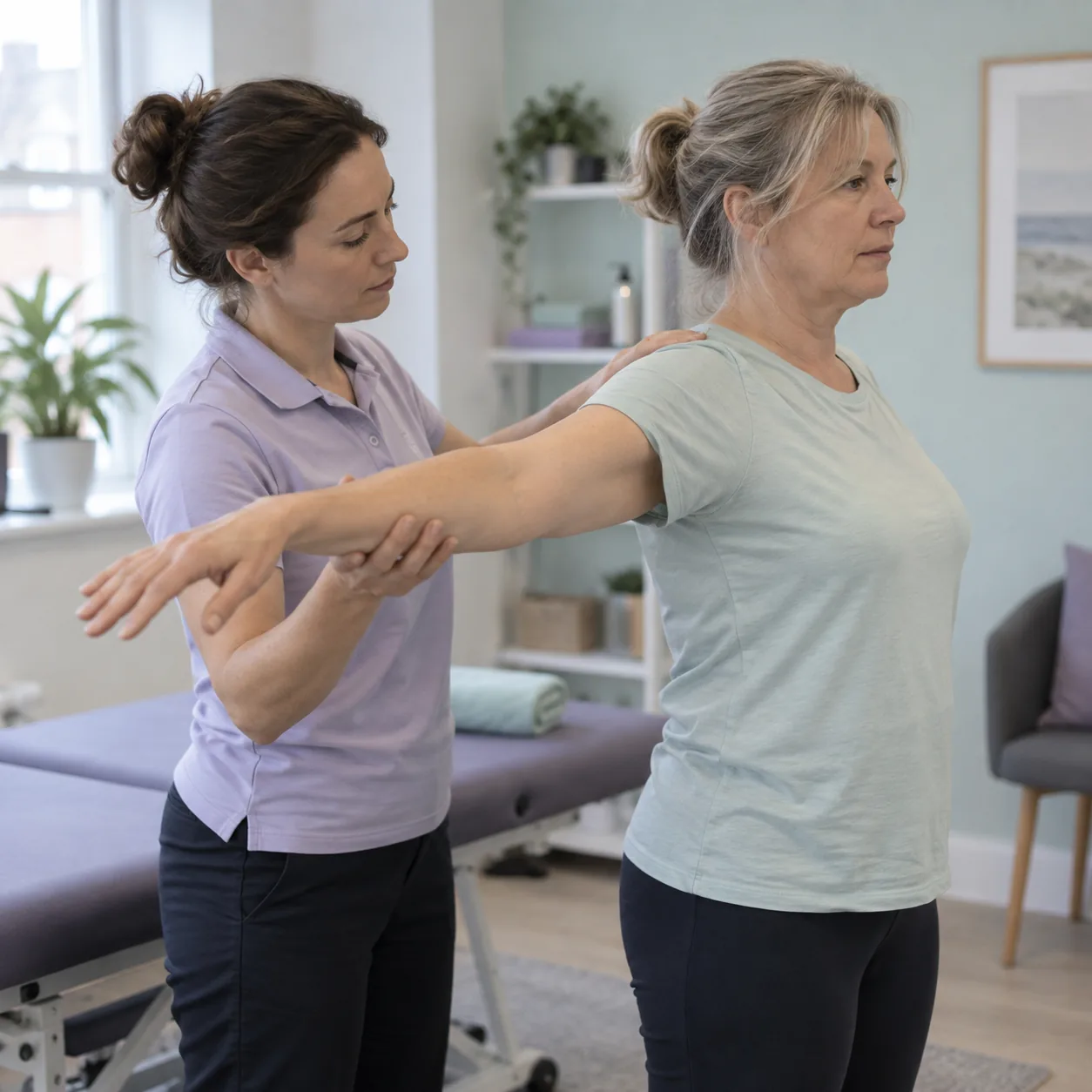
Following surgery and treatment for breast cancer, you may encounter a few complications which can be alleviated with specialist physiotherapy. Therapy may include joint mobilisations, myofascial release, massage, stretches and mobility exercises, pilates and a functional rehabilitation programme to get you back to your normal daily activities and sports. Pilates is especially important after a DIEP flap (Deep inferior epigastric perforators flap) reconstruction.
Our London Clinic
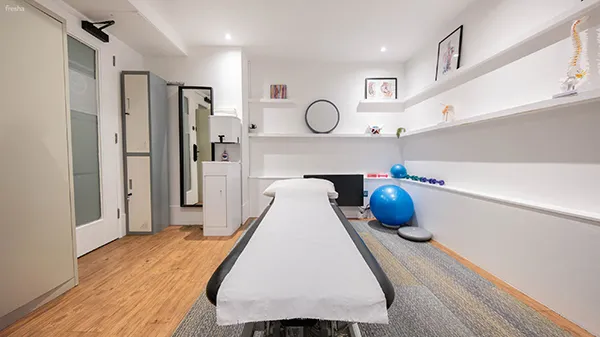
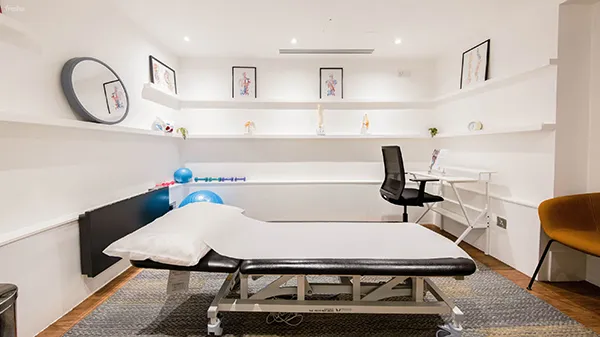
Our clinic is conveniently situated just off of Tottenham Court Road, in between Tottenham Court Road and Goodge Street tube stations.

We can assist you with the following post-operative complications:
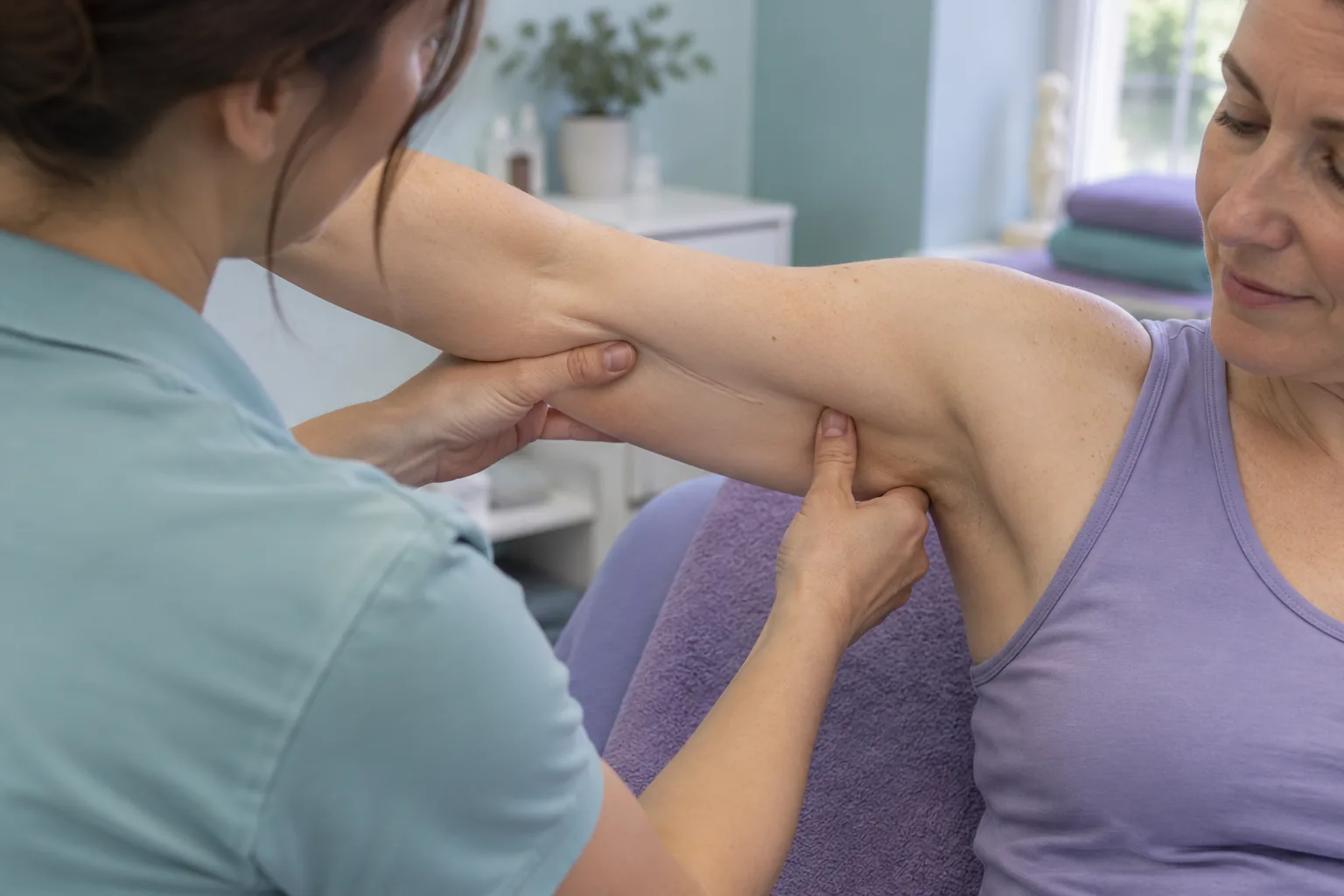
Cording (Axillary web syndrome) – as your body heals following treatment for breast cancer, sometimes bands of tissue can form in your armpit or down your arm that looks like strings or ropes. This called ‘cording’.It is caused by inflammation, scarring, and eventually hardening of the lymphatic and vascular vessels. As the cord is quite inflexible, it may restrict your shoulder mobility and cause pain when stretching your arm. Cording responds well to physiotherapy as we use specialist manual therapy techniques and stretches to restore normal shoulder mobility and function.
Pain and stiffness – initially pain, slight swelling and stiffness is normal post-operatively, but if your pain is severe or persistent, you should seek advice. Your physiotherapist will assess you to find the cause of your pain and treat you accordingly using various techniques.
Scar Tissue – generally scar tissue heals by itself with time, however your physiotherapist can use specific massage techniques which can improve scar tissue management.
Scar Tissue – generally scar tissue heals by itself with time, however your physiotherapist can use specific massage techniques which can improve scar tissue management.
Lack of strength in the shoulder and core muscles – following surgery, you may experience decreased muscle strength due to disuse, and in the case of DIEP reconstructive flaps, you may have decreased core control. Your physiotherapist will develop a bespoke rehabilitation programme to include specific shoulder strengthening and pilates exercises.
General deconditioning – depending on the type of treatment you have undergone, you may experience general body weakness, particularly after a cycle of chemotherapy and radiotherapy. Physiotherapy can get you back to your normal routine and sporting activities by prescribing a tailor-based exercise program for you.
Lymphoedema – following surgery or radiotherapy to the armpit, you are at a higher risk of developing lymphoedema. This is swelling caused by a build-up of lymph fluid in the tissues. If you notice persistent or excessive swelling, we can refer you for manual lymphatic drainage.
Why Choose PhysioReform in London?
At PhysioReform we specialise in rehabilitation after breast cancer treatment, working alongside your oncology team rather than separately from it. Shoulder stiffness, cording, scar restriction, fatigue and reduced strength all respond well to structured, appropriately timed physiotherapy.
Our focus is restoring movement, strength and confidence in your own body, whether you are days past surgery, midway through treatment, or years on and still not back to what you could do before.
Frequently Asked Questions
When can I start physiotherapy after breast cancer surgery?
Many people can begin gentle physiotherapy within days of surgery, once your surgical team confirms it’s appropriate, focusing on shoulder mobility, scar management and swelling prevention. Timing depends on your procedure, whether you’ve had lymph node removal, and your surgeon’s guidance. Starting early, alongside your recovery plan, often supports better long-term movement and comfort.
What is cording, or axillary web syndrome?
Cording, also called axillary web syndrome, is a tight, rope-like cord that can develop under the skin from the armpit down the arm after lymph node surgery. It can restrict shoulder movement and cause discomfort when reaching or stretching. Physiotherapy, including gentle stretching and manual techniques, often helps ease cording and gradually restore fuller shoulder movement.
Can physiotherapy help reduce my risk of lymphoedema?
Yes, physiotherapy can play a meaningful role in reducing lymphoedema risk after lymph node surgery or radiotherapy, through guided exercise, skin care advice and early monitoring of arm or chest swelling. Manual lymphatic drainage techniques may also be used where appropriate. It cannot eliminate the risk entirely, but early intervention often makes a significant difference.
Is it safe to exercise during chemotherapy or radiotherapy?
For most people, yes, appropriately adapted exercise is safe and beneficial during chemotherapy or radiotherapy, helping manage fatigue, maintain strength and support wellbeing. Intensity and type need to be adjusted around treatment side effects, blood counts and skin changes, so this should be guided by a physiotherapist working alongside your oncology team rather than a generic programme.
Do I need a referral from my oncology team?
A referral isn’t always required to book an appointment, but sharing details of your diagnosis, surgery and any ongoing oncology treatment helps your physiotherapist plan safe, appropriate care. For certain issues, particularly early after surgery or during active treatment, liaison with your oncology team is recommended and can be arranged as part of your care, here in our Bloomsbury clinic.



