
Pre- & Post-Operative Physiotherapy in London
How Physiotherapy Supports Recovery Before and After Surgery
Surgery is sometimes necessary for a range of health conditions, however the success of your surgery doesn’t finish the moment you leave the operating theatre. Research shows that appropriate physiotherapy before and after your surgery can help speed up the healing process.
In the hospital, you’ll be provided with simple exercises prior to discharge. At a later stage, you’ll need an appropriate rehabilitation exercise programme to fully regain your strength, flexibility and function. Your physiotherapist will liaise with your surgeon to determine any specific requirements based on your surgery.
Physiotherapy also helps you understand how to move safely during the early stages of recovery. Guidance on walking, sitting, climbing stairs, and returning to daily activities can reduce strain on healing tissues and help prevent complications. By progressing exercises at the right pace, physiotherapy supports a smoother and more confident recovery.
Our London Clinic
Our clinic is conveniently situated just off of Tottenham Court Road, in between Tottenham Court Road and Goodge Street tube stations.



Pre- and Post-Operative Rehabilitation in Physiotherapy
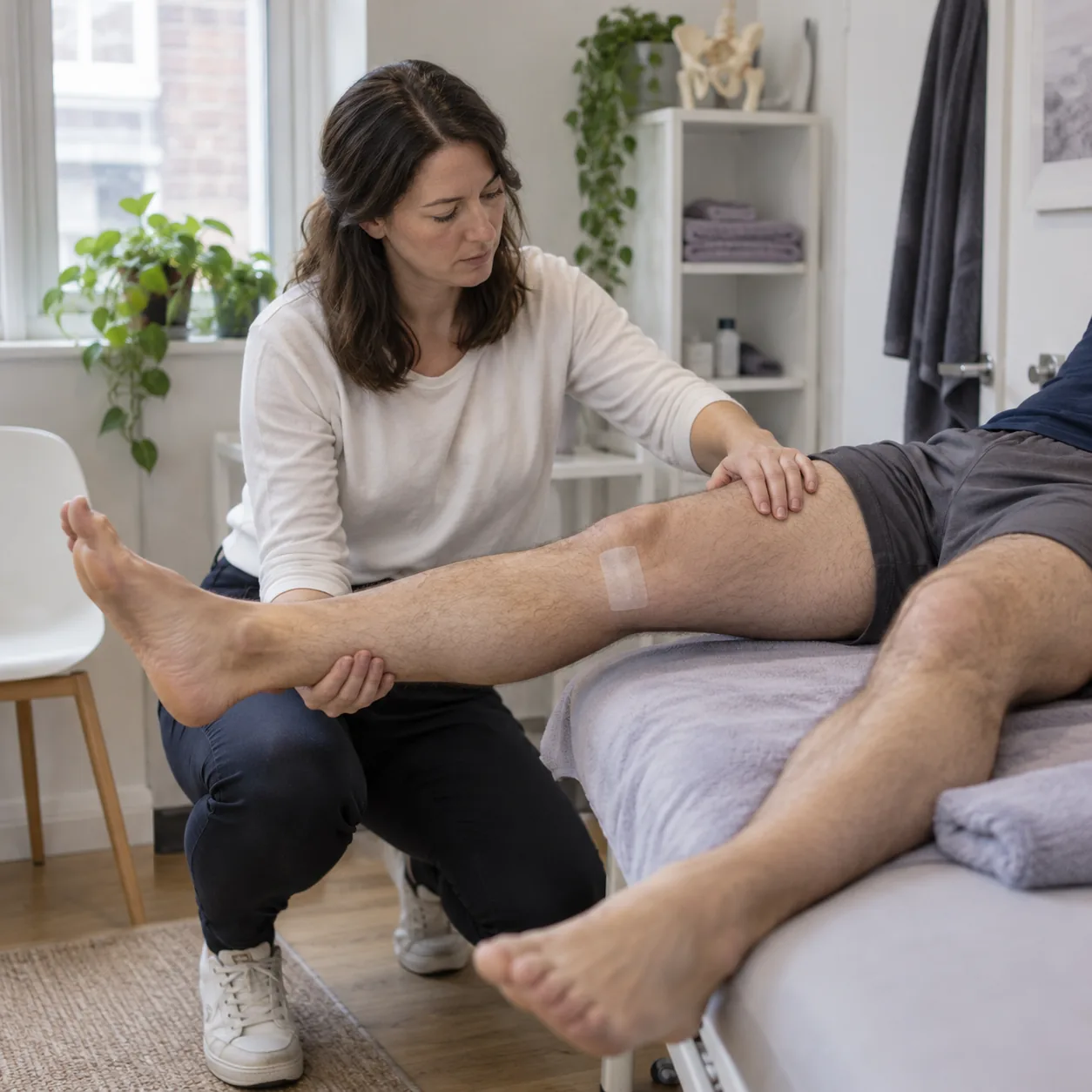
Prior to surgery, you may be referred to a physiotherapy clinic for ‘prehab’ to build up strength in the muscles. This will speed up your rehabilitation post-operatively. Prehab is often prescribed, especially before ACL reconstructive surgery. Post-operatively your physiotherapist will use manual therapy techniques to decrease your muscle spasm, break down the scar tissue to allow it to move freely and mobilise your joints.
Depending on the surgery we may need to do gait (walking) re-education. We will also prescribe an exercise programme to help you regain your mobility, flexibility, strength and function.
Recovery timelines vary depending on the type of surgery and your overall health, but structured physiotherapy helps you regain confidence in movement as healing progresses. Your physiotherapist will monitor how your body responds to rehabilitation and adjust exercises to support steady improvement while protecting the surgical area.

Why Choose PhysioReform for Post-Operative Physiotherapy in London?
At PhysioReform, we provide personalised physiotherapy to support recovery before and after surgery. Our approach focuses on careful assessment, clear guidance, and rehabilitation programmes tailored to the specific demands of your procedure and recovery stage.
We understand that surgery can feel overwhelming, and the right rehabilitation plan can make a significant difference to how smoothly you regain strength and mobility. Our goal is to help you progress safely, rebuild confidence in movement, and return to daily activities with greater comfort and control.
Frequently Asked Questions
What is prehabilitation and does it make a difference?
Prehabilitation is physiotherapy carried out before surgery to improve strength, mobility and fitness, helping prepare your body for the demands of recovery. The evidence supports that people who prehabilitate often recover function faster and experience fewer complications after major surgery, particularly joint replacements. It typically includes targeted exercise, education and addressing any movement limitations beforehand.
When should I start physiotherapy after surgery?
Timing depends on the procedure, but many surgeries benefit from physiotherapy starting within the first few days, sometimes even the same day, to support mobility, reduce stiffness and prevent complications. Your surgical team will advise on specific precautions or restrictions. Early, appropriately graded movement generally supports better long-term outcomes than prolonged inactivity after surgery.
How many sessions are typical after a knee or hip replacement?
This varies by individual and procedure, but many people attend physiotherapy weekly or twice weekly for six to twelve weeks following joint replacement, with sessions gradually reducing as strength and mobility improve. Some continue with a longer-term programme depending on progress and goals. Your physiotherapist will reassess regularly to adjust frequency and focus.
Can I have private physiotherapy alongside NHS rehabilitation?
Yes, private physiotherapy can run alongside NHS rehabilitation, often providing more frequent sessions, longer appointment times and closer monitoring during a critical recovery period. Many people use private treatment to complement NHS care rather than replace it entirely, particularly when NHS waiting times or session numbers are limited. Coordination between providers helps ensure consistent advice.
Do I need a referral from my surgeon?
A formal referral isn’t always required to book, but sharing details of your surgery, surgeon’s precautions and any post-operative guidelines helps your physiotherapist plan safe, effective treatment. For certain conditions or complex cases, liaison with your surgical team is recommended. Our Bloomsbury clinic regularly coordinates with orthopaedic and surgical teams for consistent postoperative care.



