Back and Neck Pain Treatment in London
Effective Physiotherapy for Lower Back Pain and Sciatica
Lower back pain is one of the most common conditions seen in musculoskeletal physiotherapy and it accounts for the largest cause of work-related absence.
Lower back pain can be caused by an injury such as a sprain or strain, but often it’s not possible to identify the cause. This is known as ‘non-specific’ back pain.In ‘mechanical’ back pain, structures which may contribute to your back symptoms are the joints, discs, muscles and nerves. One of the common causes of lower back pain is aslipped or prolapsed disc. A slipped disc occurs when there is a tear in the outer layer of the intervertebral disc, resulting in the inner gel escaping outwards. If the protruding gel meets the adjacent nerve, it can cause pain in the lower back as well as a referral into the leg. This is known as sciatica. It may also cause additional symptoms such as numbness or a tingling sensation.
Research has shown that early physiotherapy reduces the incidence of back surgery and is the most effective form of treatment for lower back pain.
Our London Clinic
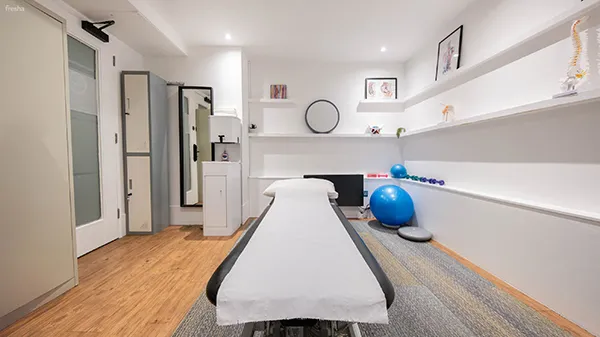
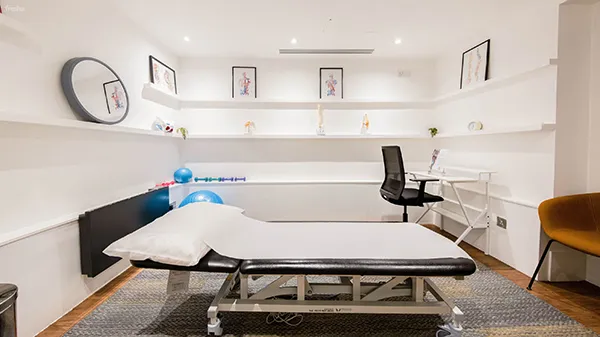
Our clinic is conveniently situated just off of Tottenham Court Road, in between Tottenham Court Road and Goodge Street tube stations.

How can we help with lower back pain?
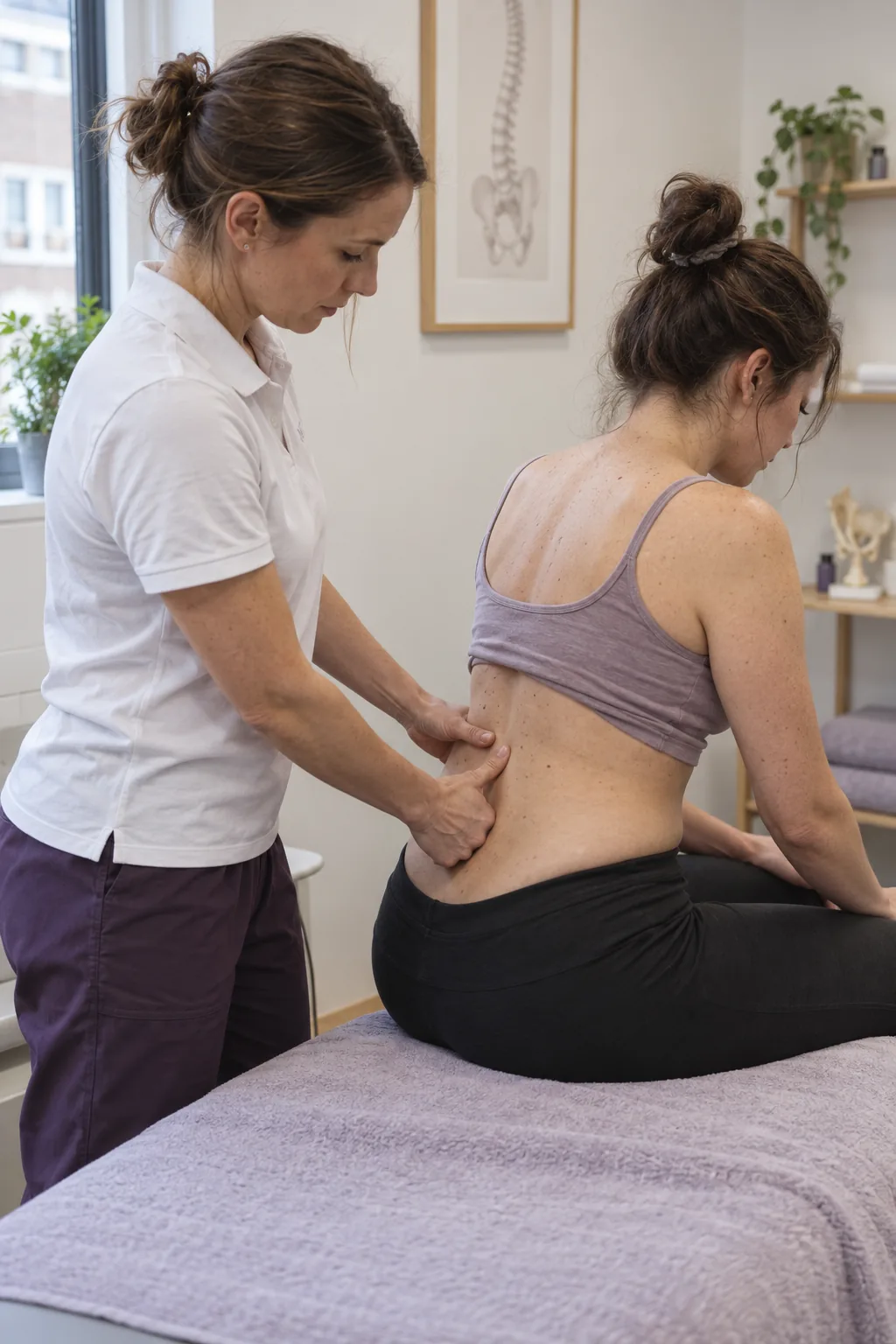
Your physiotherapist may use some of the following physiotherapy techniques:
- Specific spinal mobilisations
- Release tight muscles
- Give you a bespoke exercise programme which may include mobilising exercises for the back and nerve, as well as pilates and strengthening of any other muscles which are lacking strength or control.
- Acupuncture
- Taping
The aim of our treatment is to aid your recovery, so you are pain-free and back to your normal activities.
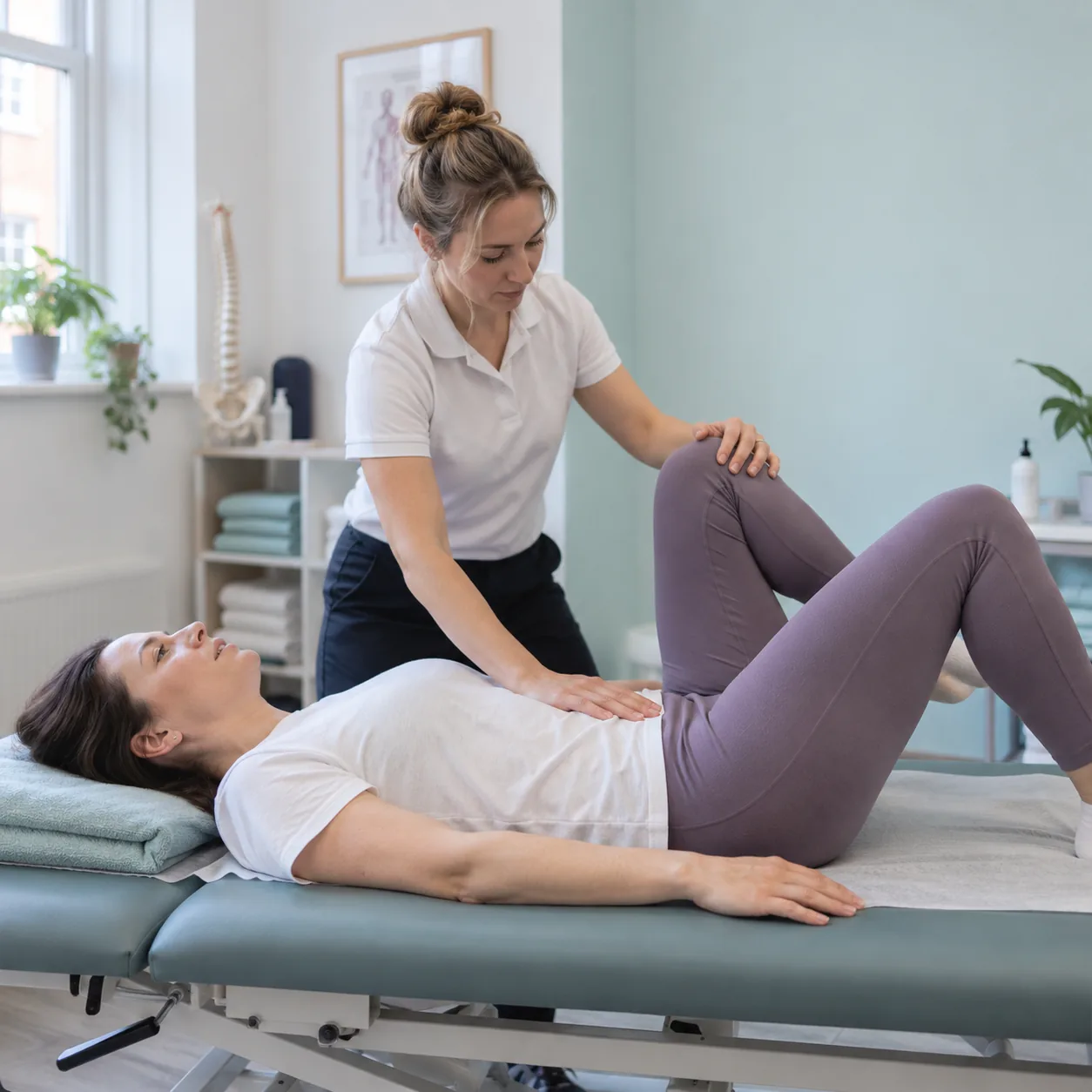
Why Choose PhysioReform in London?
At PhysioReform we spend the time to work out what is actually driving your back or neck pain. That means a proper assessment of movement, strength, load and the day to day factors feeding into it, rather than treating the painful spot in isolation.
You get hands-on treatment where it helps and a rehabilitation programme that builds capacity, so the aim is not just easing this episode but reducing how likely the next one is.
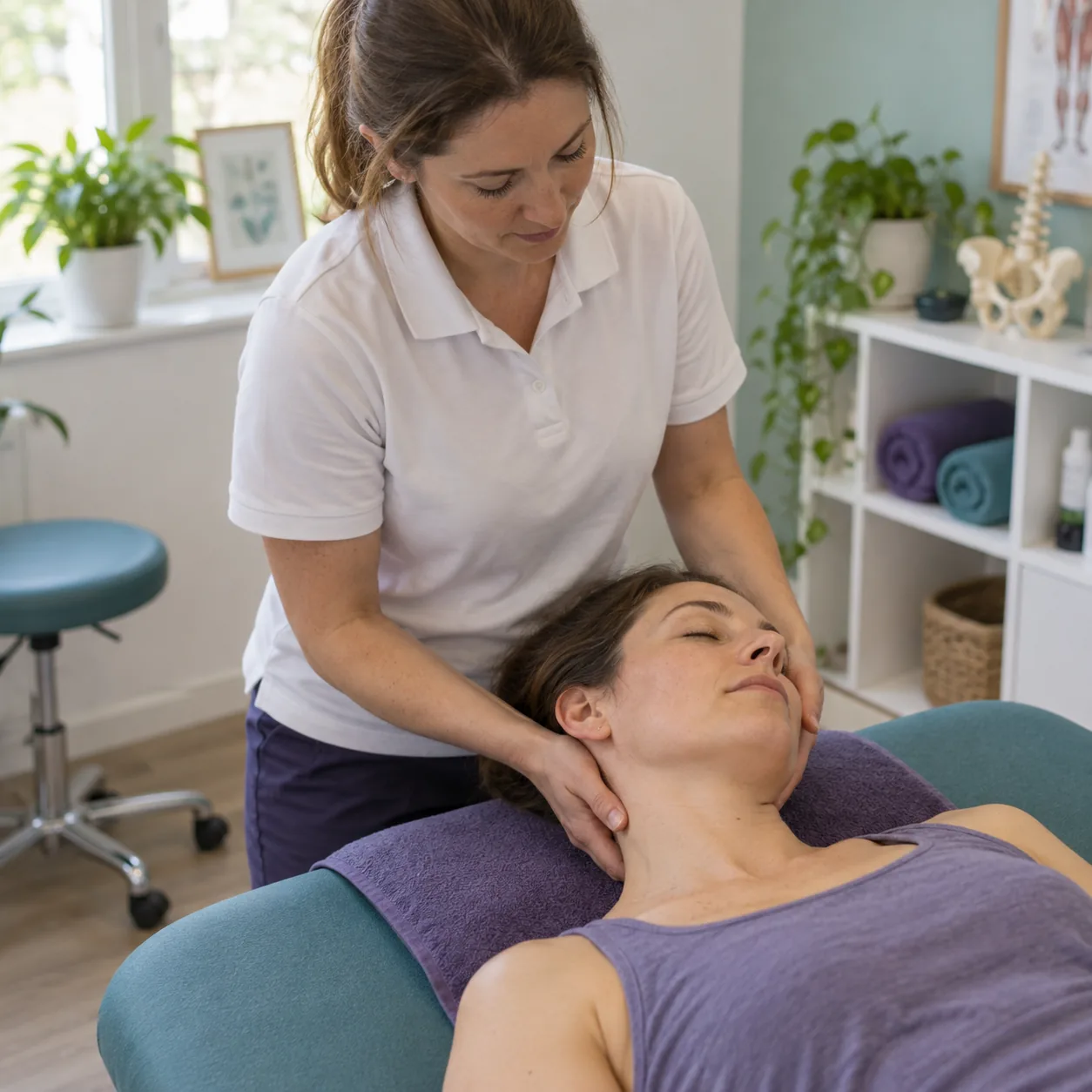
Neck Pain Relief and Rehabilitation with Physiotherapy
Neck pain is a common condition which physiotherapists can help you with. Neck pain can have several causes including a muscle strain, sitting or sleeping in a poor position for an extended period, whiplash and osteoarthritis. It can also be caused by or worsened by stress and anxiety. Occasionally a disc protrusion can irritate the adjacent nerve, causing a ‘pinched or trapped nerve’ or cervical radiculopathy.
Osteoarthritis or cervical spondylosis occurs naturally with age. It is also known as ‘wear and tear’. Though it is not always symptomatic, it can lead to neck stiffness and pain.
Whiplash occurs when the body is thrown in a forceful jerk, causing the sudden movement of the head forwards, backwards or sideways. It overstretches and strains the soft tissue in the neck and most commonly occurs in road traffic accidents. It can lead to neck pain and tenderness, headaches and stiffness. Pins and needles or numbness can also occur in the arm.
Cervical radiculopathy or a ‘trapped nerve’ is pain caused by irritation or compression of one of the nerves in the neck. It often causes pain down the arm and can sometimes cause pins and needles, numbness and, less commonly, weakness in the affected arm. It is usually caused by a protruding intervertebral disc bulging outwards on to a nearby nerve or inflammation in the vicinity of the nerve root.
Physiotherapy and exercise can alleviate neck pain and improve mobility. We may use the following physiotherapy techniques in your treatment plan: cervical and thoracic spine mobilisations, release tight muscles, mobilising exercises for the neck and upper back, gliding exercises for the nerve, strengthening exercises of any muscles which are lacking strength or control, acupuncture, taping.
Frequently Asked Questions
Can physiotherapy help lower back pain?
Yes, physiotherapy is one of the most effective first-line treatments for lower back pain. Through targeted exercise, manual therapy and education, it addresses movement patterns, muscle strength and pain triggers rather than just symptoms. The evidence strongly supports an active approach over prolonged rest, and most people experience meaningful improvement within a structured treatment programme.
How many physiotherapy sessions will I need for back pain?
This varies with the cause and duration of your pain, but many people notice improvement within four to six sessions over several weeks. Acute pain often settles faster than long-standing or recurrent pain, which may need a longer programme. Your physiotherapist will reassess progress regularly and adjust the frequency and focus of treatment as needed.
Do I need an MRI or X-ray before starting physiotherapy?
Usually not. Most back and neck pain can be safely assessed and treated by a physiotherapist without imaging, since scans often show age-related changes unrelated to your symptoms. Imaging is reserved for cases with red flag signs, such as unexplained weight loss, neurological changes or a history of trauma, where your physiotherapist would refer you on.
How do I know if my back pain is sciatica?
Sciatica typically causes pain radiating from the lower back or buttock down one leg, often with numbness, tingling or weakness following the sciatic nerve path. It’s usually worse with sitting or bending and can be distinguished from general back pain through a thorough physiotherapy assessment. Persistent numbness or leg weakness should always be assessed promptly by a clinician.
Should I rest or keep moving with back or neck pain?
Keep moving where possible. Prolonged bed rest tends to slow recovery and can increase stiffness, whereas gentle, graded activity supports healing and reduces the risk of pain becoming persistent. This doesn’t mean pushing through severe pain; your physiotherapist here in central London can guide you on which movements to modify and which to continue.


