
Blog
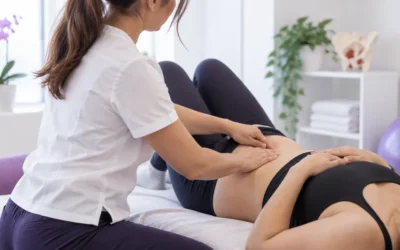
Diastasis recti after birth: does physiotherapy actually close the gap?
Diastasis recti affects most women after pregnancy. Here is what the current research says about physiotherapy, and how assessment and treatment work in Central London.

Endometriosis pelvic pain: how physiotherapy helps alongside medical treatment
Endometriosis pelvic pain often continues after diagnosis or surgery. Learn how pelvic health physiotherapy in Central London treats the muscle and nerve part of the pain.

Incontinence after prostate surgery: how pelvic floor physio helps
Urinary leakage after prostate surgery is very common and usually temporary, and targeted pelvic floor muscle training, ideally started before the operation, helps most men regain bladder control faster.

Cording after breast cancer surgery: what axillary web syndrome is
Cording, or axillary web syndrome, is a rope-like band of tight tissue that can appear under the arm after breast cancer surgery, and it usually responds well to hands-on physiotherapy, gentle stretching and time.

Menopause joint pain and back pain: what a physiotherapist sees and treats
Falling oestrogen drives joint and back pain in roughly 70% of women in perimenopause and menopause. The most effective treatment combines twice-weekly strength training, daily mobility, pelvic-floor-aware core work, and, where appropriate, HRT discussed with a GP or menopause specialist.

How to tell if your pelvic floor is tight or weak
A tight pelvic floor cannot fully relax and tends to cause pain, urgency or incomplete emptying. A weak pelvic floor cannot generate enough force on demand and tends to cause leaking, heaviness or vaginal flatulence. Many people have both, which is why standard Kegel advice often makes symptoms worse.

Piriformis Syndrome vs Sciatica: How to Tell the Difference and When Physio Helps
Buttock pain and pain down the leg are often labelled as sciatica, but the cause is not always coming from the spine. Piriformis syndrome can cause very similar symptoms. This article explains the difference, how physiotherapy may help identify the main driver, and when to seek assessment.

Frequent Urination in Women: Causes, Bladder Symptoms and When to See a Pelvic Floor Physio in London
Frequent urination in women is common, but it is not always caused by a small bladder. Bladder symptoms may be influenced by pelvic floor function, habits, hormonal changes, and urgency patterns. This article explains common causes, the difference between urgency and incontinence, and when pelvic floor physiotherapy may help.

Post-Operative Physiotherapy in London: How to Prepare and What Recovery Looks Like
Physio after surgery helps you regain movement, rebuild strength, and return to daily life with confidence. Learn when to start post-operative physiotherapy in London and what recovery typically looks like.