
Sports Injury Physiotherapy in London
Recovering from Sports Injuries with Physiotherapy
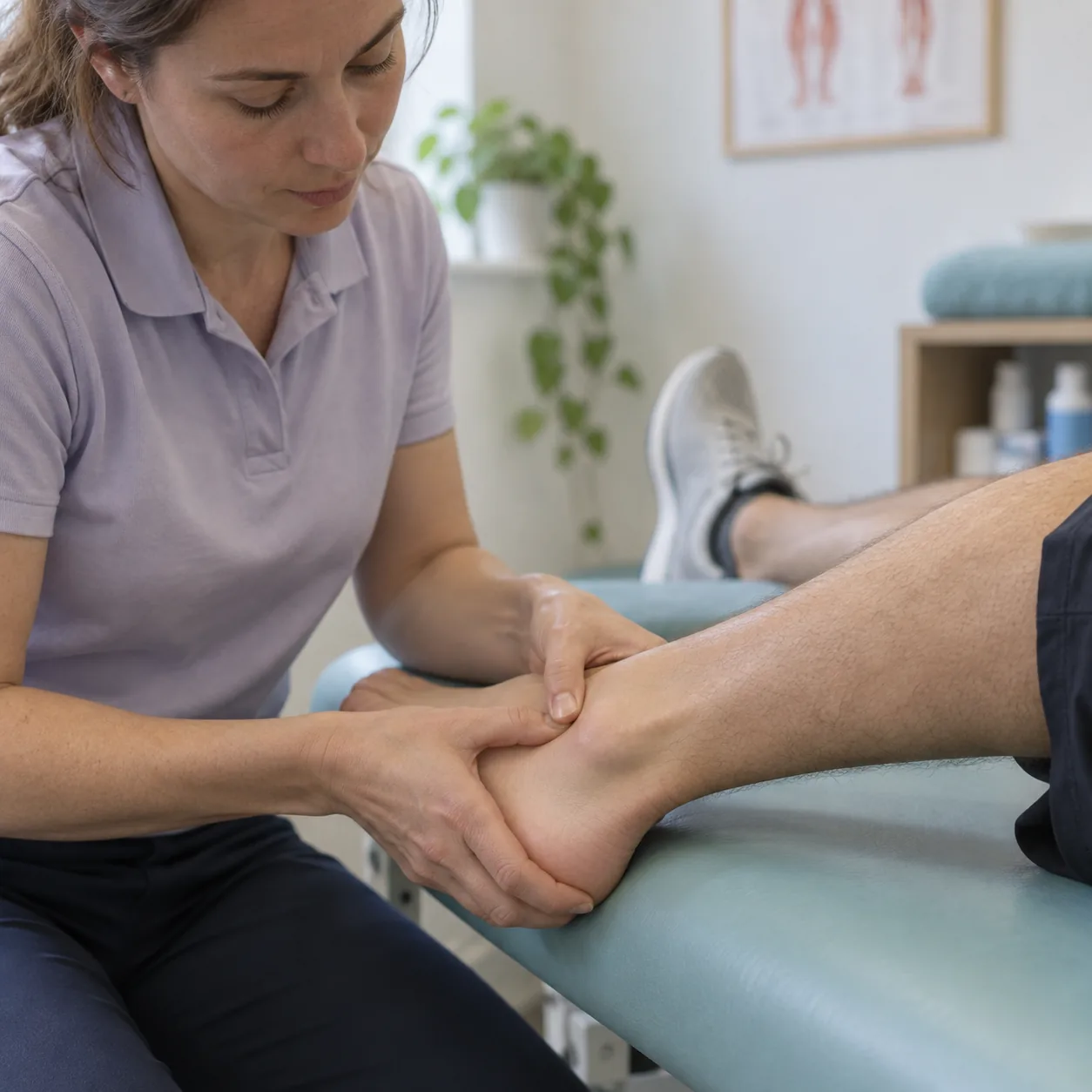
Sports injuries can refer to any sports-related injuries that occur during sports or exercise which involve the musculoskeletal system including the bones, muscles and cartilage.The most common causes of sports injuries include accidents, inadequate warm-up or from performing exercises beyond your current level of strength or fitness.
Early assessment after a sports injury can make a significant difference to recovery time. Identifying the underlying cause of the injury helps prevent the problem from returning. Physiotherapy focuses not only on relieving pain but also on restoring strength, mobility, and control so you can return to sport safely.
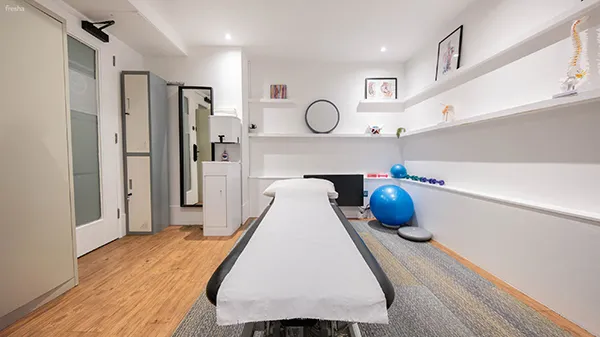
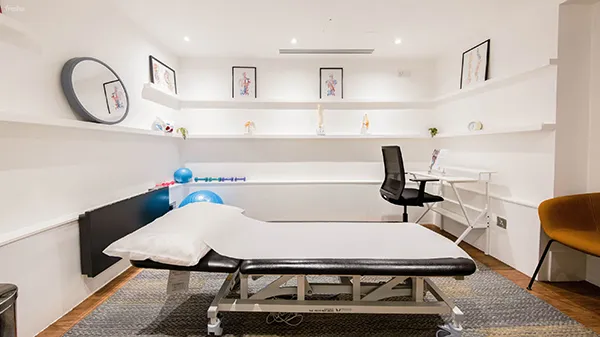
Our London Clinic
Our clinic is conveniently situated just off of Tottenham Court Road, in between Tottenham Court Road and Goodge Street tube stations.

Some of the most common sports injuries are:
- Sprains – over-stretching or tears to the ligaments that join the ends of bones together. The most common joint sprain occur in the knee, ankle and wrist.
- Strains – pulls or tears of muscles or tendons. Common examples are hamstring and calf strains
- Fractures and dislocations
- Tendon injuries such as Achilles tendonitis or patellar tendon pain, which often develop gradually due to repeated strain during running, jumping, or sudden increases in training intensity
Why Choose PhysioReform for Sports Injury Physiotherapy in London?
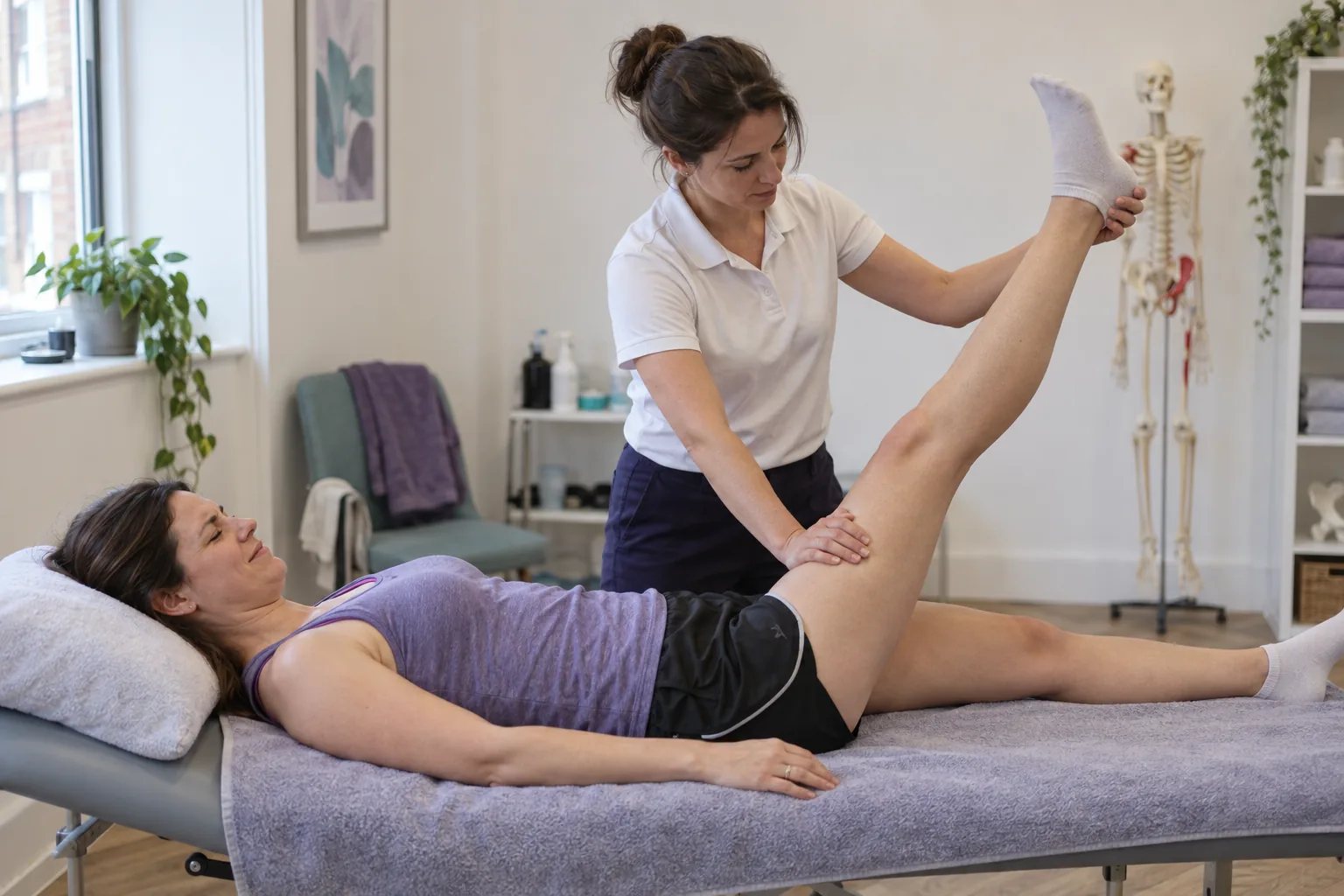
At PhysioReform, we combine clinical expertise with a personalised approach to sports injury rehabilitation. Our physiotherapists focus on identifying the underlying cause of your injury and creating a treatment plan that supports both recovery and long-term performance.
Whether you are recovering from a recent injury or dealing with a problem that has been limiting your training for some time, we aim to help you return to activity safely. Our rehabilitation programmes focus on restoring strength, mobility, balance, and confidence so you can get back to sport with reduced risk of reinjury.
How can we help?
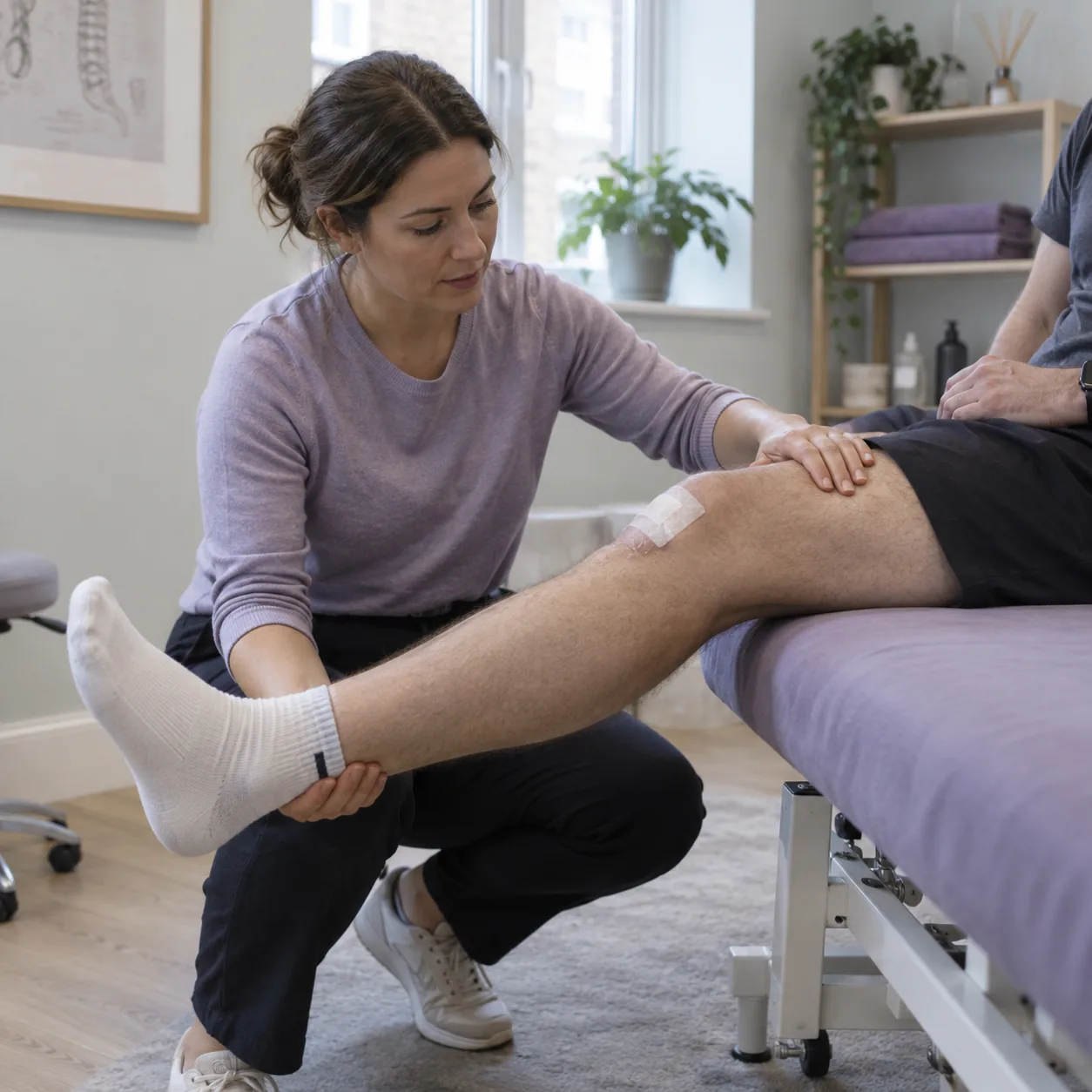
You will be assessed to determine the exact cause of your pain. The initial stage of treatment will aim to decrease pain and swelling and promote healing. Your physiotherapist may use manual therapy techniques, electrotherapy modalities, taping and/or acupuncture. Once the pain and inflammation have settled, treatment will focus on strength and conditioning. We will prescribe a tailor-made rehabilitation programme to work on mobility, strength, coordination, balance and proprioception.
Throughout rehabilitation we guide you through a progressive exercise programme designed to restore full function and reduce the risk of reinjury. Advice on training load, recovery, and injury prevention strategies also helps you return to sport with greater confidence.
Frequently Asked Questions
How soon after a sports injury should I be assessed?
Ideally within a few days of injury, once initial swelling settles, though significant injuries with severe pain, inability to bear weight or visible deformity should be assessed sooner, potentially at A&E. Early assessment helps confirm diagnosis, guide appropriate loading and prevent poor movement compensation patterns developing, supporting a faster and more structured return to sport.
Do I need a scan before physiotherapy for a sports injury?
Not usually. Most sports injuries can be accurately assessed and treated through clinical examination alone, without imaging. Scans are generally reserved for cases with suspected fractures, significant ligament or tendon rupture, or when symptoms aren’t improving as expected. Your physiotherapist will advise if imaging would change your treatment plan or add useful information.
How many sessions does a sports injury usually take?
This depends on the injury’s severity and tissue involved, but many minor injuries improve within four to six sessions over several weeks, while more significant ligament, tendon or muscle injuries may need a longer, structured rehabilitation programme. Your physiotherapist will set realistic milestones and adjust the plan as your strength, control and confidence progress.
When can I return to sport after an injury?
Return to sport depends on regaining full strength, range of movement, control and confidence in sport-specific movements, rather than a fixed timeframe alone. A structured, graded return-to-sport programme reduces reinjury risk significantly compared with returning too early. Your physiotherapist will use objective testing and functional milestones to guide when you’re genuinely ready.
Should I use ice or heat on a new injury?
Ice is generally recommended in the first 24 to 48 hours to help manage pain and swelling, applied for short periods with a barrier to protect the skin. Heat is more useful later, once acute swelling has settled, to ease stiffness and improve blood flow. Our central London clinic can advise on the right approach for your injury.



