Acupuncture Treatment in London
Does acupuncture help with pain relief and recovery?
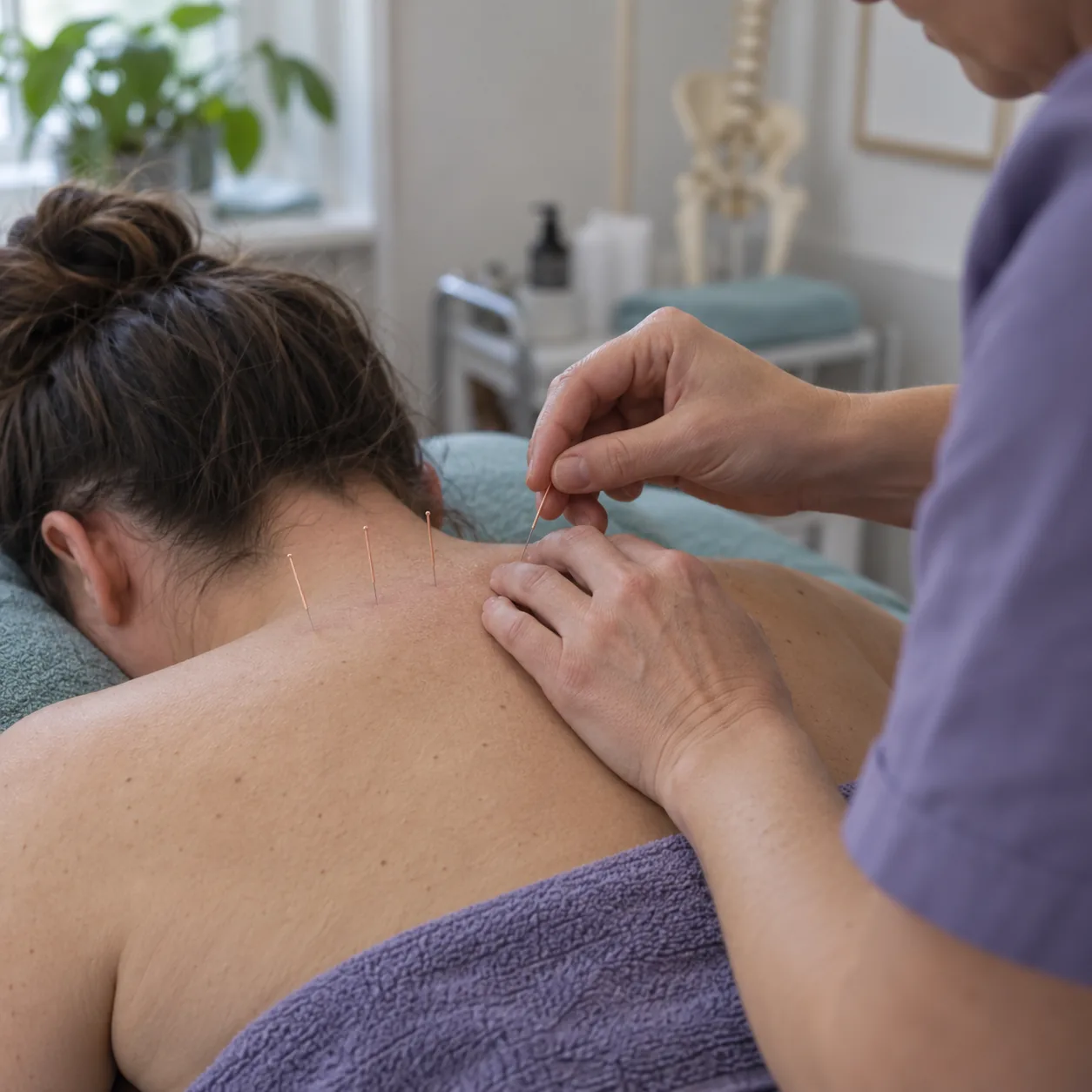
Acupuncture is a form of therapy which involves inserting fine needles into specific points on the body for pain relief, reduction of swelling and muscle spasm. The needles stimulate underlying nerves which send messages to your spinal cord and midbrain to release chemicals in the muscle, spinal cord and brain. The release of these chemicals helps to change or decrease pain and relax the surrounding soft tissue.
Acupuncture is often used within physiotherapy to support the body’s natural healing processes. By stimulating specific points in muscles and connective tissues, it can encourage improved circulation and help reduce local muscle tension. This may assist with pain management and allow patients to move more comfortably during rehabilitation.
For many people, acupuncture is used alongside exercise therapy and manual physiotherapy techniques. Combining these approaches can help address both the symptoms of pain and the underlying factors that may be contributing to the condition.
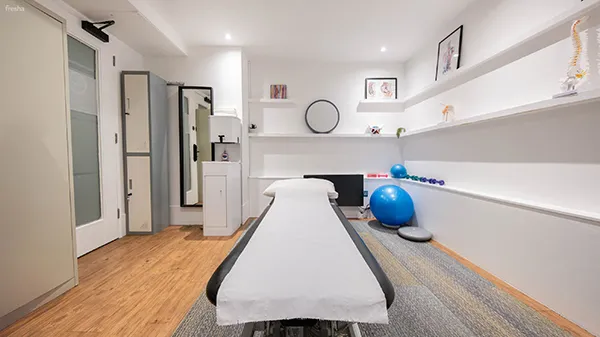
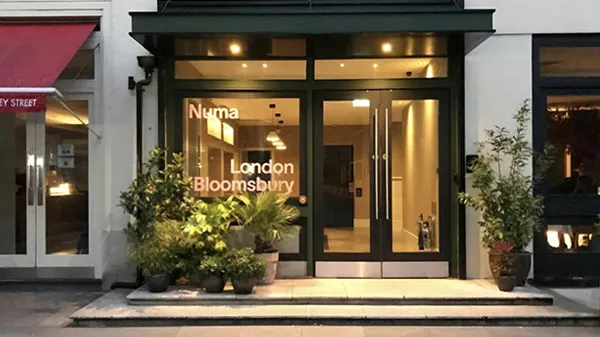
Our London Clinic
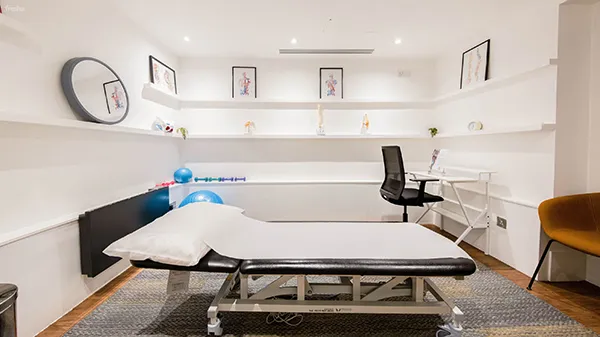
Our clinic is conveniently situated just off of Tottenham Court Road, in between Tottenham Court Road and Goodge Street tube stations.
How is acupuncture used in physiotherapy?
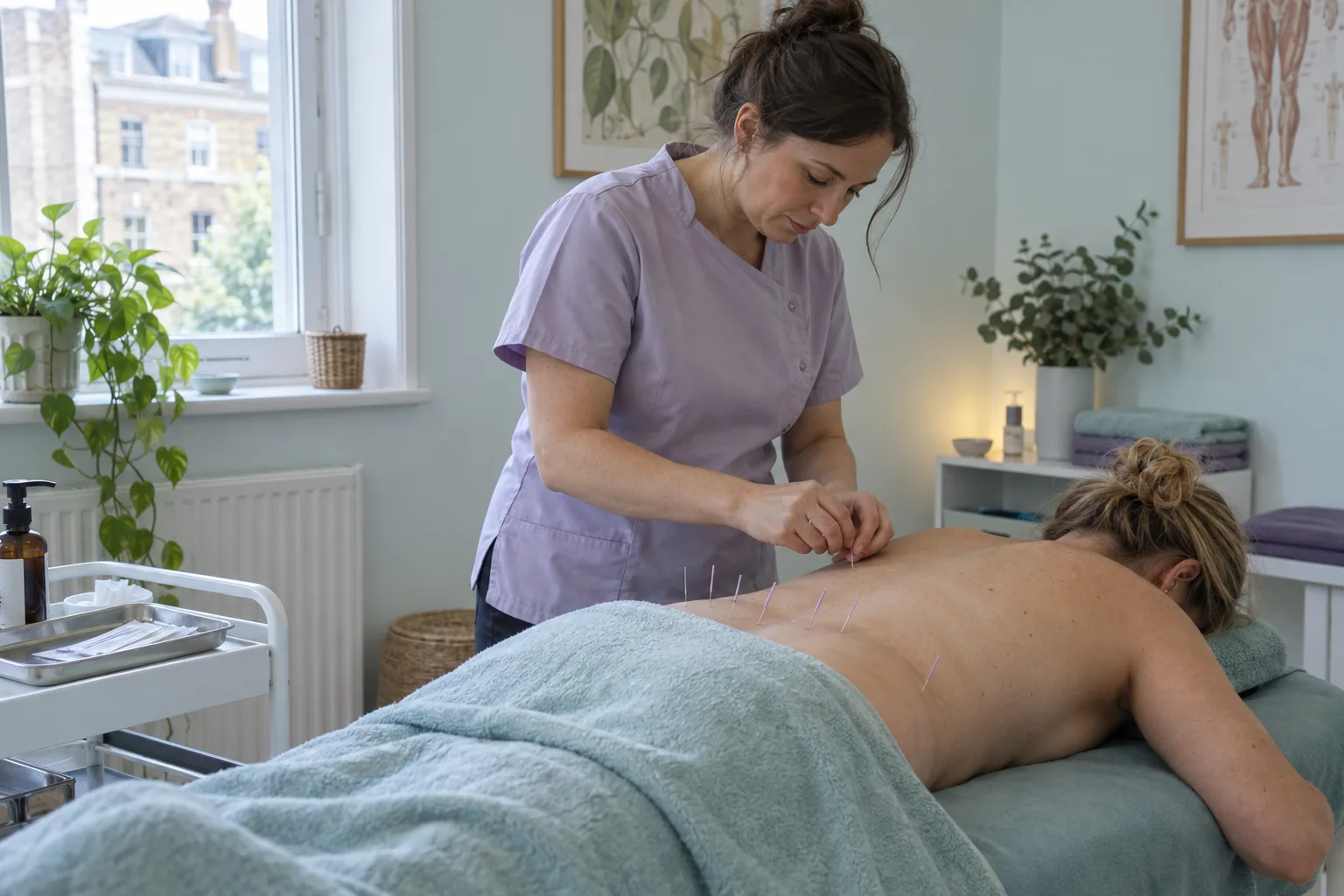
Depending on the intended effect, your physiotherapist may use eastern (traditional Chinese) acupuncture and/or western (dry needling) acupuncture. Pain relief may develop over a few hours or days, but it often has an accumulative effect, with noticeable effects after a series of treatments.
Acupuncture can be used in conjunction with other physiotherapy techniques in the treatment of back and neck pain, headaches, sports injuries, muscle and joint problems, acute and chronic injuries.
Your physiotherapist will first assess your condition and determine whether acupuncture is an appropriate part of your treatment plan. The technique is typically used to help reduce muscle tightness, ease pain and support movement so that rehabilitation exercises can be performed more effectively.
Treatment is always tailored to the individual, and acupuncture may be used as a short-term pain relief technique or as part of a broader physiotherapy programme designed to restore strength, mobility and function.
Why Choose PhysioReform for Acupuncture Treatment in London?
At PhysioReform, acupuncture is used as part of a broader physiotherapy approach to help reduce pain, relieve muscle tension and support recovery. Our physiotherapists carefully assess each patient to determine whether acupuncture may be beneficial alongside other treatments such as manual therapy and rehabilitation exercises.
By combining acupuncture with personalised physiotherapy care, we aim to reduce symptoms, improve movement and support long-term recovery so you can return to daily activities with greater comfort and confidence.
Frequently Asked Questions
What is acupuncture used for in physiotherapy?
Physiotherapists use acupuncture (dry needling within a musculoskeletal framework) mainly to reduce pain and muscle tension, alongside exercise and manual therapy. It’s commonly used for back pain, neck pain, tension headaches, and myofascial trigger points. It isn’t a standalone treatment; it supports a broader rehabilitation programme aimed at improving movement and function.
Is physiotherapy acupuncture the same as traditional Chinese acupuncture?
No. Physiotherapy acupuncture, sometimes called dry needling, is based on Western anatomical and neurophysiological principles rather than traditional Chinese medicine concepts like meridians or qi. Needles target specific muscles, trigger points or nerve pathways to ease pain and improve function. It’s delivered within a clinical assessment, alongside exercise and manual therapy, not as a standalone therapy.
Does acupuncture hurt?
Most people feel minimal discomfort, often just a brief pinprick as the needle is inserted, followed by a dull, heavy or tingling sensation as it takes effect. Sensitivity varies between individuals and treatment areas. Your physiotherapist will always check your comfort level throughout and adjust technique or needle placement if a sensation feels too strong.
How many acupuncture sessions will I need?
This varies by condition, but many people notice some benefit within two to four sessions, often used weekly alongside other treatment. Acupuncture is rarely prescribed alone; it’s typically one part of a wider programme including exercise and manual therapy. Your physiotherapist will review your response after a few sessions and adjust the plan accordingly.
Is acupuncture safe, and who should avoid it?
Acupuncture is generally safe when performed by a trained physiotherapist using single-use sterile needles. It isn’t suitable for everyone: people who are pregnant in certain areas, have a bleeding disorder, are on anticoagulants, have an infection near the treatment site, or have a pacemaker should mention this beforehand so your clinician can adjust or avoid it, here in our central London clinic.


