
Physiotherapy for Pelvic Organ Prolapse in London
What Is Pelvic Organ Prolapse?
Pelvic organ prolapse occurs when one or more of the pelvic organs (bladder, uterus, rectum) descends into or out of the vagina due to weakness or damage to the supporting muscles and tissues. Prolapses usually occur due to the strain of childbirth, however they can also occur after certain surgeries like a hysterectomy.
Pelvic organ prolapse can vary in severity. Some people notice only mild pressure or heaviness, while others may feel a more obvious bulging sensation in the vagina. Symptoms often become more noticeable after long periods of standing, lifting, or towards the end of the day when the pelvic floor muscles are more fatigued.
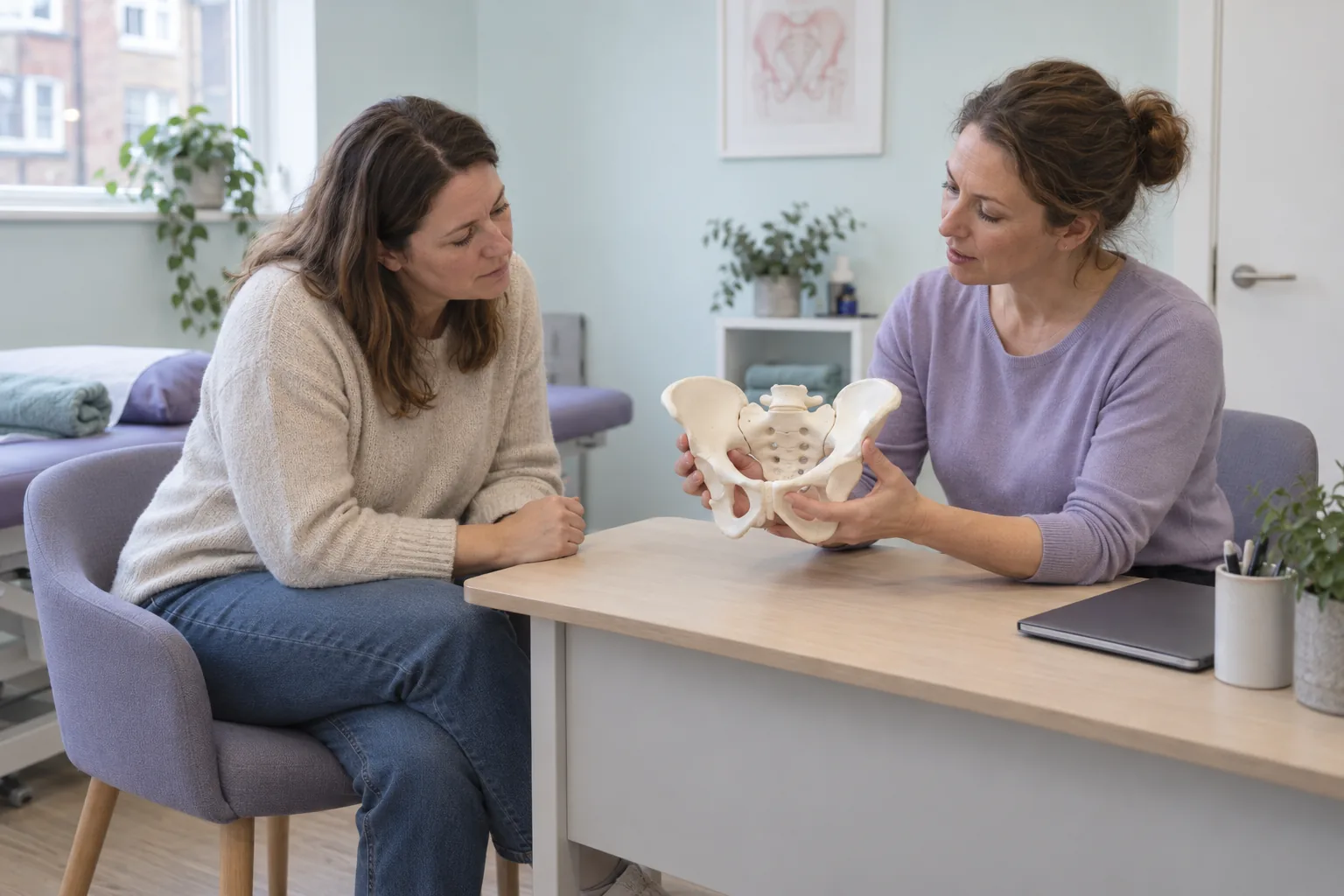
Our London Clinic
Our clinic is conveniently situated just off of Tottenham Court Road, in between Tottenham Court Road and Goodge Street tube stations.



Common Symptoms of Pelvic Organ Prolapse
- Seeing or feeling a bulge in or coming out of the vagina
- Leaking urine (incontinence) or problems having a bowel movement
- A feeling of pressure, discomfort, aching, or fullness in the pelvis
- Pelvic pressure that gets worse with standing, walking, coughing or as the day goes on
- Discomfort during sex
- Problems inserting tampons
- A sensation of heaviness or dragging in the pelvis, particularly after prolonged standing or physical activity
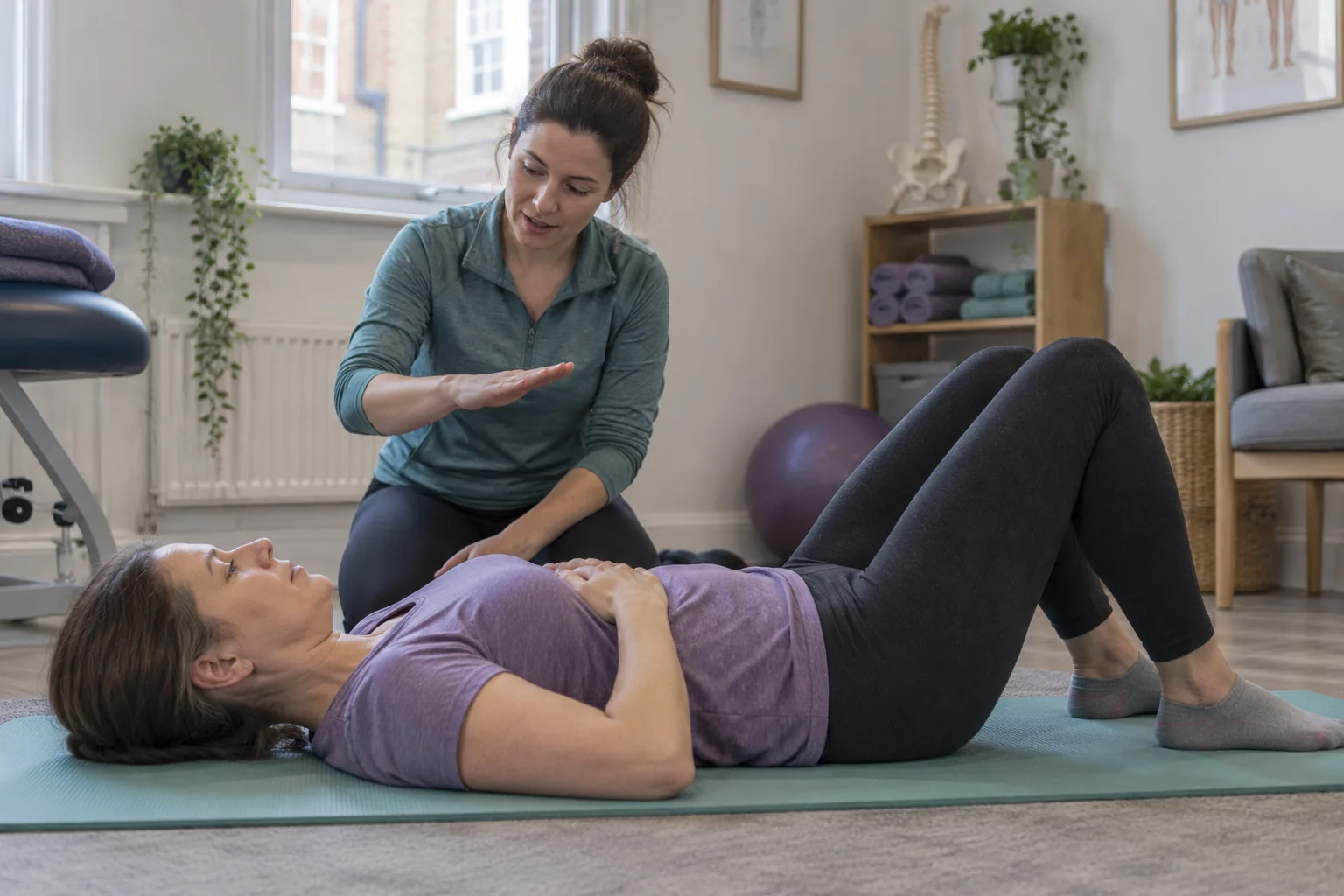
Why Choose PhysioReform in London?
At PhysioReform we assess prolapse properly before recommending anything. That means understanding which compartment is involved, how it behaves through your day, and what is actually driving your symptoms, which is often not the same as the stage on a chart.
Conservative treatment helps a great many people. We focus on pelvic floor rehabilitation, load management and practical symptom control, and we will tell you plainly if we think surgical or medical review is the right next step.
Treatment is based on how severe your symptoms are and can include the following:
- Physiotherapy to strengthen the pelvic floor muscles and educate you on the management of prolapses
- Pessaries (removable devices inserted into the vagina to support the pelvic organs)
- Surgery
In many cases, consultants will suggest physiotherapy as a first line of treatment. Research has shown that patient-specific strengthening programs are very effective in the treatment of pelvic organ prolapse.
Physiotherapy also focuses on improving coordination, breathing patterns, and pressure management during daily activities such as lifting, exercising, and coughing. These strategies help reduce strain on the pelvic floor and can make a significant difference in managing prolapse symptoms over time.
Frequently Asked Questions
What is pelvic organ prolapse?
Pelvic organ prolapse occurs when the bladder, uterus, bowel or vaginal walls descend from their normal position due to weakened pelvic floor support, often causing a sensation of heaviness, bulging or pressure in the vagina. It’s common, particularly after childbirth or during menopause, and ranges from mild to more significant. Physiotherapy is a recognised first-line treatment option.
What are the stages of pelvic organ prolapse?
Prolapse is typically graded from stage one, where descent is mild and within the vagina, to stage four, where the organ protrudes fully outside the vaginal opening. Stages two and three represent increasing descent toward or through the vaginal entrance. Your clinician will assess the type and stage using a recognised classification system, following POGP guidance, to plan treatment.
Can pelvic organ prolapse be improved without surgery?
Yes, many people improve their prolapse symptoms without surgery, particularly with mild to moderate prolapse, through pelvic floor muscle training, load management and lifestyle changes such as improved bowel habits and posture. A vaginal pessary can also provide effective symptom support. Physiotherapy is recommended as a first-line approach before considering surgical options.
Can I stop a prolapse getting worse?
You can often reduce the risk of prolapse worsening through consistent pelvic floor exercise, managing constipation, avoiding excessive straining, and using safe lifting and exercise techniques. Weight management and treating a persistent cough also help reduce pressure on pelvic tissues. While progression can’t always be entirely prevented, these strategies genuinely support pelvic floor function over time.
Can I exercise or lift weights with a prolapse?
Yes, most people with prolapse can continue exercising and lifting weights, though technique, breathing and load often need adjusting to avoid excessive downward pressure. Pelvic floor engagement during effort, avoiding breath-holding, and gradual progression are key. Your physiotherapist, here in central London, can help you build a safe, confidence-building exercise programme suited to your prolapse.


