Pre and Postnatal Physiotherapy in London
How Pregnancy Affects Your Body and Pelvic Floor
Pregnancy is an amazing and life changing experience, however it can take a toll on your body as it transforms to accommodate your growing baby. During pregnancy, your body undergoes dramatic change in a fairly short period of time. As the baby grows inside you, your hormones, posture and balance change.
With time, as the baby gets heavier, the pressure inside your abdomen and down onto your pelvic floor muscles increases. This pressure means your pelvic floor muscles need to stay strong to support the weight of the baby from above and to prevent leakage of urine. The muscles, joints and ligaments undergo many changes which affect the whole body, and it is common to experience a variety of musculoskeletal symptoms.
Our London Clinic
Our clinic is conveniently situated just off of Tottenham Court Road, in between Tottenham Court Road and Goodge Street tube stations.



Prenatal Physiotherapy
Some common conditions you may experience during pregnancy include:
- Pelvic girdle/ Hip/ Groin/ Pubic pain
- Lower back/ Sacroiliac joint (SIJ) pain/ Sciatica
- Thoracic/ Rib pain
- Pelvic floor weakness and Urinary incontinence
- Carpal tunnel syndrome
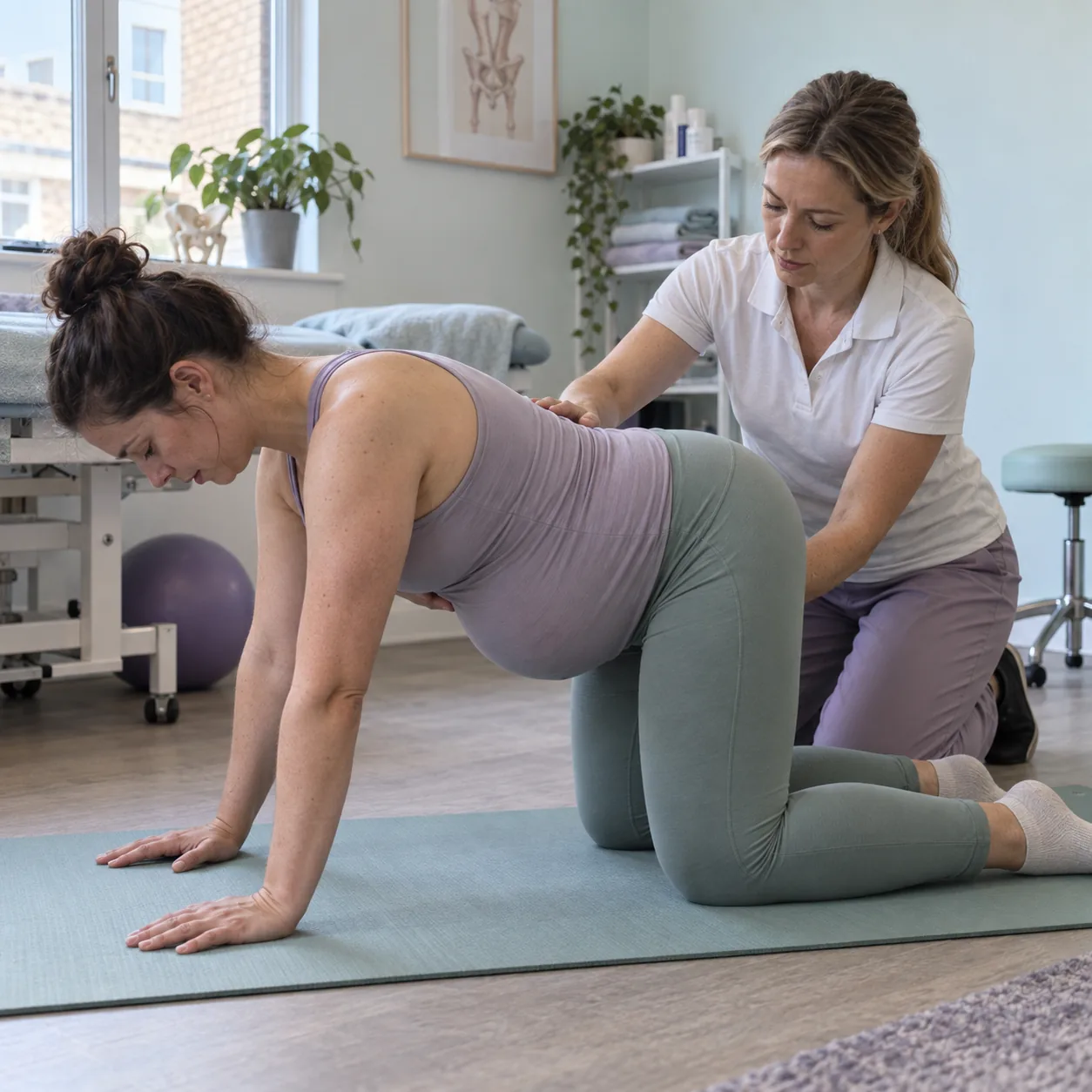
As every pregnancy is different, our experienced physiotherapists will design a specific program to suit your needs. Based on your assessment, your treatment may include assessment and strengthening of the pelvic floor and core muscles, joint mobilisations, massage, an exercise program to maintain flexibility and strength, education and advice.
Why Choose PhysioReform in London?
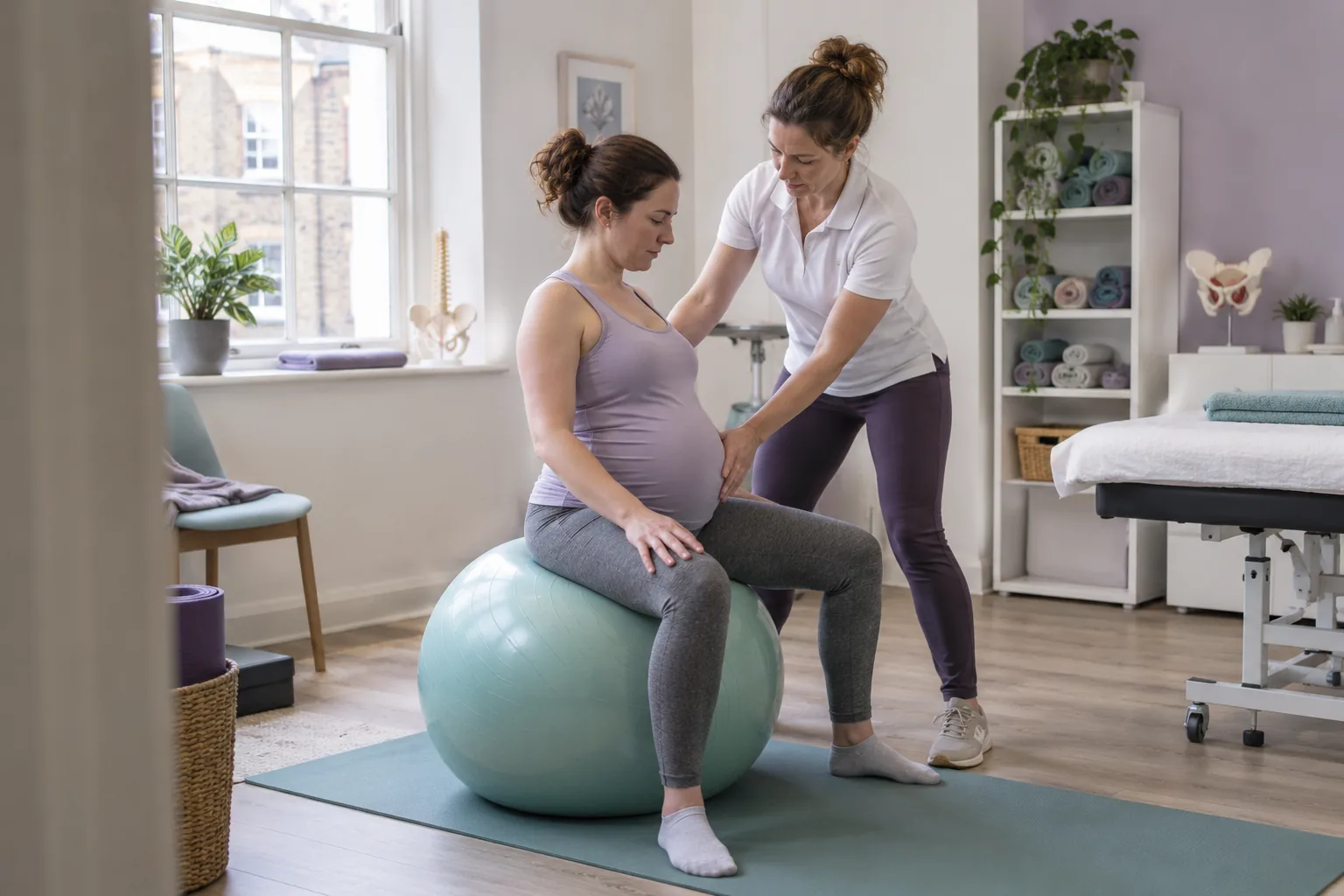
At PhysioReform we support you through pregnancy and beyond with care that changes as your body does. Pelvic girdle pain, back pain, pelvic floor symptoms and abdominal separation all respond to the right treatment at the right stage, and none of them should be written off as normal.
Postnatally we look at recovery as a whole, from pelvic floor function and core strength to getting back to lifting, exercise and running safely, at a pace that suits your recovery rather than a calendar.
Postnatal Physiotherapy
Post pregnancy (vaginal or caesarean), there will be a degree of weakening of your pelvic floor muscles. The pelvic floor muscles are vital for continence, pelvic stability and sexual function and they are adversely affected through pregnancy and delivery. To prevent long term problems, it is essential to start pelvic floor exercises as soon as possible. Postnatally you will find yourself holding your baby in sustained positions and doing lots of lifting, which can lead to many aches and pains. Common problems experienced postnatally include:
- Stress and urge incontinence
- Pelvic and Lower back pain
- Upper back and Neck pain
- Diastasis Recti (Abdominal separation)
Your Postnatal MOT will include:
- Internal pelvic floor assessment
- Pelvis, SIJ and Lumbar spine assessment
- Diastasis recti (abdominal separation) assessment
- Return to sport assessment
- Scar assessment
Treatment may include an individualised pelvic floor program, abdominal and core strengthening, treatment of any musculoskeletal issues found, scar tissue management and advice on return to sport, nutrition, sleep, posture and ergonomics.
Ideally a Postnatal MOT should be performed from 6 weeks postnatally (after you have had your GP check-up), but even if your pregnancy was years ago, it’s never too late!
Frequently Asked Questions
Is physiotherapy safe during pregnancy?
Yes, physiotherapy is safe and widely recommended during pregnancy, with treatment adapted to each trimester and any pregnancy-specific considerations. It commonly addresses pelvic girdle pain, back pain, pelvic floor preparation and general fitness. Your physiotherapist will tailor manual therapy, exercise and advice to your stage of pregnancy and any complications, working alongside your midwife or obstetric team.
When does pelvic girdle pain usually start in pregnancy?
Pelvic girdle pain can start at any point in pregnancy, though it often develops in the second or third trimester as weight, posture and hormone levels change, and sometimes appears earlier in subsequent pregnancies. Symptoms typically include pain around the pubic bone or lower back with walking or turning. Early physiotherapy input often helps manage symptoms effectively.
When can I start postnatal physiotherapy after birth?
Gentle postnatal physiotherapy, including breathing and pelvic floor activation, can often begin within days of birth, while more structured assessment and exercise progression typically starts from around six weeks, once cleared by your GP or midwife. Timing depends on your birth experience, whether you had a caesarean, and any complications, following Pelvic Floor Society postnatal guidance.
What is diastasis recti and does it close on its own?
Diastasis recti is a widening and thinning of the connective tissue between the abdominal muscles, common during and after pregnancy. Many cases improve naturally within the first year, but some people continue experiencing a gap or reduced abdominal function. Targeted physiotherapy exercises can support recovery and improve core strength and function where natural closure is incomplete.
When can I safely return to running after having a baby?
Most guidance suggests waiting at least three months postnatally, with a thorough pelvic floor and core assessment beforehand, though timing varies by birth type and recovery. A structured, graded return-to-running programme reduces the risk of pelvic floor dysfunction or injury. Our central London clinic offers postnatal assessments specifically to guide this transition safely and confidently.



